
How Do Insurance Companies Determine Fault After a Car Accident in Waterbury, CT?
How Do Insurance Companies Determine Fault After a Car Accident in Waterbury, CT?
Insurance companies determine fault after a car accident by comparing the available evidence with the legal duties each driver owed. Adjusters review police reports, photographs, witness accounts, vehicle damage, and other records to decide who caused the collision and whether multiple drivers share responsibility.
For someone injured in Waterbury, that decision can significantly affect compensation. Connecticut’s comparative negligence law allows an injured person to recover damages when their negligence does not exceed the combined negligence of the parties against whom recovery is sought, with compensation reduced by their share of fault. Statutory Rights of Action and Defenses
Whether your crash happened on I-84, Route 8, or a city street, an insurance company’s initial conclusion deserves careful review. Understanding how adjusters evaluate responsibility can help you preserve evidence, identify mistakes, and respond to a disputed claim.
What Does an Insurance Adjuster Need to Establish?
An adjuster investigates how the accident happened and whether a driver’s unreasonable conduct caused another person’s injuries or property damage. A negligence claim generally involves four connected questions:
- Duty: Did the driver owe others a duty to operate the vehicle reasonably?
- Breach: Did the driver fail to meet that duty, such as by speeding or failing to yield?
- Causation: Did that conduct cause or contribute to the collision and resulting injuries?
- Damages: What losses resulted, including medical expenses, lost income, and pain and suffering?
Evidence of a mistake does not automatically answer every question. A driver might have been speeding, for example, but the investigation must still examine whether that speed contributed to the crash.
Adjusters also investigate insurance coverage. Whether a policy covers the driver and collision is a separate issue from who caused the accident.
A coverage denial does not necessarily establish that the policyholder was free of fault.
What Evidence Do Insurers Use to Determine Car Accident Fault?
The strongest investigations compare several independent sources rather than relying entirely on either driver’s explanation.
Police Reports and Scene Observations
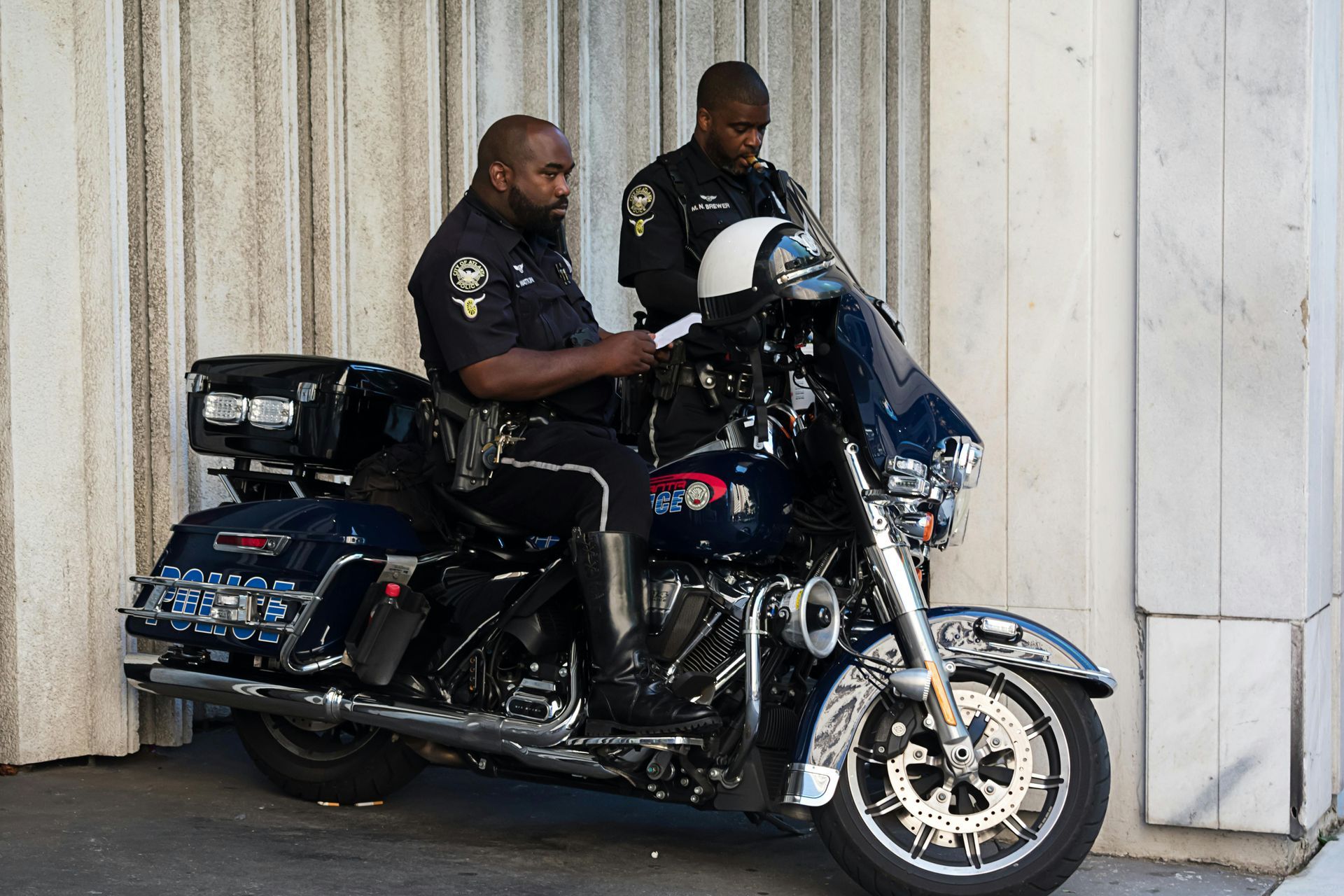
A police crash report may identify drivers, witnesses, road conditions, vehicle positions, and apparent contributing circumstances. An officer’s observations can help an adjuster reconstruct events, especially when the drivers disagree.
However, a report may contain incomplete information or a mistaken description. The officer also may have arrived after the collision. Review the report carefully and distinguish what the officer personally observed from what someone else reported.
Photographs, Video, and Vehicle Damage
Pictures can document damage, debris, lane markings, traffic signs, visibility, and the vehicles’ final positions. Dashcam or nearby surveillance footage may clarify a disputed lane change or traffic signal.
In Waterbury, a collision near a highway entrance may raise questions about merging, following distance, and available space. Photographs showing where damage begins along each vehicle can help test competing explanations. Damage patterns are useful, but they do not always establish the entire sequence without additional evidence.
Preserve original files whenever possible. Cropping, editing, or forwarding a compressed copy can remove useful detail.
Witness Accounts and Electronic Evidence
Independent witnesses may explain which vehicle entered an intersection first or whether someone changed lanes abruptly. Their vantage point matters: a witness who heard the impact but did not see the approach has different information from someone who watched the entire event.
Depending on the vehicles and circumstances, electronic data may also help establish braking, speed, or vehicle movement. Such information is not available in every case and may require technical assistance and lawful access.
Medical records serve another purpose. They help connect injuries and treatment to the collision, even though they usually do not establish which driver violated the right of way.
How Connecticut’s Comparative Negligence Law Affects Compensation
Connecticut General Statutes § 52-572h governs comparative negligence in ordinary negligence actions. Your own negligence does not bar recovery if it is no greater than the combined negligence of the people against whom recovery is sought, including qualifying settled or released parties. Your damages are reduced by your percentage of negligence. Statutory Rights of Action and Defenses
In a typical two-driver case, this means:
- At 20% fault, your damages are reduced by 20%.
- At 50% fault, you may still recover, with a 50% reduction.
- At more than 50% fault, recovery against the other driver is generally barred.
For a hypothetical example, assume an injured driver has $100,000 in legally established damages and bears 20% of the responsibility. The comparative negligence reduction would leave $80,000 before other applicable adjustments.
These percentages are not assigned by a universal formula. An adjuster must connect the proposed allocation to the evidence. Multi-vehicle crashes can require additional analysis of the responsible parties and how liability is allocated.
That makes a disputed percentage worth examining. An unsupported increase in your assigned responsibility can reduce compensation or prevent recovery altogether.
How Insurers Analyze Common Waterbury Accident Scenarios
The type of collision provides a starting point, but the surrounding facts still matter.
Rear-End Collisions
Adjusters commonly examine whether the following driver maintained a safe distance and reacted reasonably. They may also investigate a
sudden lane change, an unexpected reversal, or an earlier impact that pushed one vehicle into another.
Being the rear vehicle can create difficult factual questions, but the impact location alone does not explain every chain-reaction crash.
Left-Turn and Intersection Accidents
Investigators look at traffic signals, turning movements, sight distance, and each driver’s opportunity to avoid the collision. A left-turning driver’s account may conflict with an approaching driver’s claim about the signal or vehicle speed.
A citation or witness statement can help, but video showing the relevant approach may resolve a dispute that written descriptions cannot.
Merging and Lane-Change Crashes
On I-84 or Route 8, drivers may disagree about whether someone merged into an occupied lane or accelerated into a closing gap. Adjusters examine lane positions, signals, damage locations, and the timing of each movement.
A useful account explains what happened before contact. Simply saying that another driver “came out of nowhere” provides little information about distances, visibility, or opportunities to react.
Can You Challenge the Insurance Company’s Fault Decision?
Yes. An insurer’s claim assessment is not itself a court judgment. You can dispute the factual basis for its decision and submit additional evidence. If litigation becomes necessary, the court process provides a separate means of resolving contested liability.
Start by requesting a written explanation. Ask which conduct the insurer attributes to you, what evidence supports that conclusion, and how it reached any proposed percentage.
Then organize a focused response:
- Identify the disputed finding. Explain the specific error rather than objecting generally.
- Attach supporting evidence. Include photographs, relevant report pages, or witness information.
- Explain the connection. Show how the evidence changes the collision sequence or fault assessment.
- Request reconsideration. Keep copies of your submission and the insurer’s response.
An attorney can assess whether further investigation, expert analysis, or a lawsuit is appropriate. For example, conflicting accounts of a multi-car collision may require reconstructing the sequence of impacts before responsibility can be evaluated fairly.
What Should You Do While Fault Is Being Investigated?
Report the accident promptly to your insurer and follow applicable policy requirements. Give accurate information, but distinguish what you know from what you are estimating. If you did not see the other vehicle before impact, say so rather than guessing its speed.
Seek appropriate medical care and describe your symptoms accurately. Keep records of treatment, missed work, out-of-pocket expenses, and communications with insurers.
Preserve potential evidence promptly. Nearby businesses may overwrite surveillance recordings, and damaged vehicles may be repaired or disposed of. An attorney can help evaluate preservation requests when evidence is difficult to obtain.
Before providing a recorded statement to another driver’s insurer, understand its purpose and consider legal guidance. Your obligations to your own insurer may differ under your policy.
Finally, avoid signing a settlement release before you understand its scope. A release can affect your ability to pursue additional compensation.
Do Not Let Negotiations Consume the Filing Deadline
Connecticut General Statutes § 52-584 generally requires negligence injury actions within two years after the injury is first sustained or discovered, or reasonably should have been discovered. It also generally establishes an outside three-year limit from the act or omission, subject
to applicable exceptions. The three-year provision is not an automatic extension of the two-year deadline. law.justia.com
Insurance negotiations generally do not pause the deadline. Claims involving government entities or defective roads may have different requirements, so obtain advice promptly when those circumstances arise.
Frequently Asked Questions About Connecticut Car Accident Fault
Does a traffic ticket automatically prove who caused the crash?
A ticket may provide relevant information, but it does not automatically resolve every issue in a civil injury claim. Investigators still need to examine the conduct involved, its connection to the collision, and any responsibility of other drivers. Likewise, the absence of a ticket does not necessarily mean no one acted negligently.
What if the other driver changes their story?
Preserve any existing statements, messages, photographs, or recordings lawfully in your possession. Identify when and how the account changed. A conflicting statement can affect credibility, but objective evidence is often more useful than an argument over honesty. A witness account or dashcam recording may help establish which version fits the collision.
Can my insurance pay for repairs before the fault dispute ends?
If you purchased collision coverage, it may cover qualifying vehicle damage subject to the policy and deductible. Connecticut’s Insurance
Department explains that collision coverage protects your own vehicle regardless of fault. Your insurer may then pursue reimbursement from a responsible party; any deductible recovery depends on the circumstances. portal.ct.gov
What if the responsible driver has insufficient insurance?
Your own uninsured or underinsured motorist coverage may provide a potential source of compensation for qualifying bodily injuries.
Connecticut requires this coverage, but eligibility, available limits, exclusions, and claim procedures require policy-specific review. Do not assume the other driver’s liability limit is the only insurance potentially relevant to your injuries. Common Terms
Discuss a Waterbury Car Accident Claim With Maffeo Law Offices
A fair fault assessment should explain how the evidence supports the conclusion. When an insurer overlooks a witness, misreads vehicle damage, or assigns responsibility without adequate support, further investigation may change the claim’s direction.
If you were injured in Waterbury, Connecticut, contact Maffeo Law Offices to discuss the accident, the insurance company’s position, and your options for pursuing compensation. Bring any crash report, photographs, claim correspondence, and medical documentation available.